Hello there, Morris here. Wondering if your cat is actually happy—or just humoring you until dinner? I’ve got a simple checklist and an easy breakdown of the signs every happy cat show:
- Relaxed posture
- Slow blinks
- Healthy appetite
- Comfortable sleep habits
- Consistent litter box use
- Gentle purring and calm behavior
If you’re seeing most of these, congratulations, you’re doing something right. Let’s dig deeper.
Posture Says Everything
A cat with a loose, comfortable stance is a content one. If your feline friend lounges with paws tucked, belly exposed (bonus points if it’s almost a trap) or stretches out like they own the place, congratulations, you’ve got a happy cat on your hands.
Look for:
- Soft, natural related posture
- Tail held upright with a gentle curve
- No tension in the shoulders or back
That’s not just comfort, that’s confidence.
The Power of the Slow Blink
Ah yes, the legendary slow blink. If your cat slowly closes and opens their eyes while looking at you, that’s not boredom—that’s love. It’s the feline version of a wink and a hug combined.
Pro tip from Morris: Slow blink back. You’re basically telling your cat, “I get you.”
What Does It Mean When a Cat Purrs?
Short answer: usually good things.
Longer answer: Purring often means your cat feels safe, content and happy. A softly purring, relaxed cat curled up after a good meal? That’s peak happy kitty energy.
And speaking of meals …
Good Food = Happy Cats
Let’s be honest. One of the fastest routes to happy cats is a bowl of delicious, balanced nutrition.
For everyday satisfaction, I personally approve of:
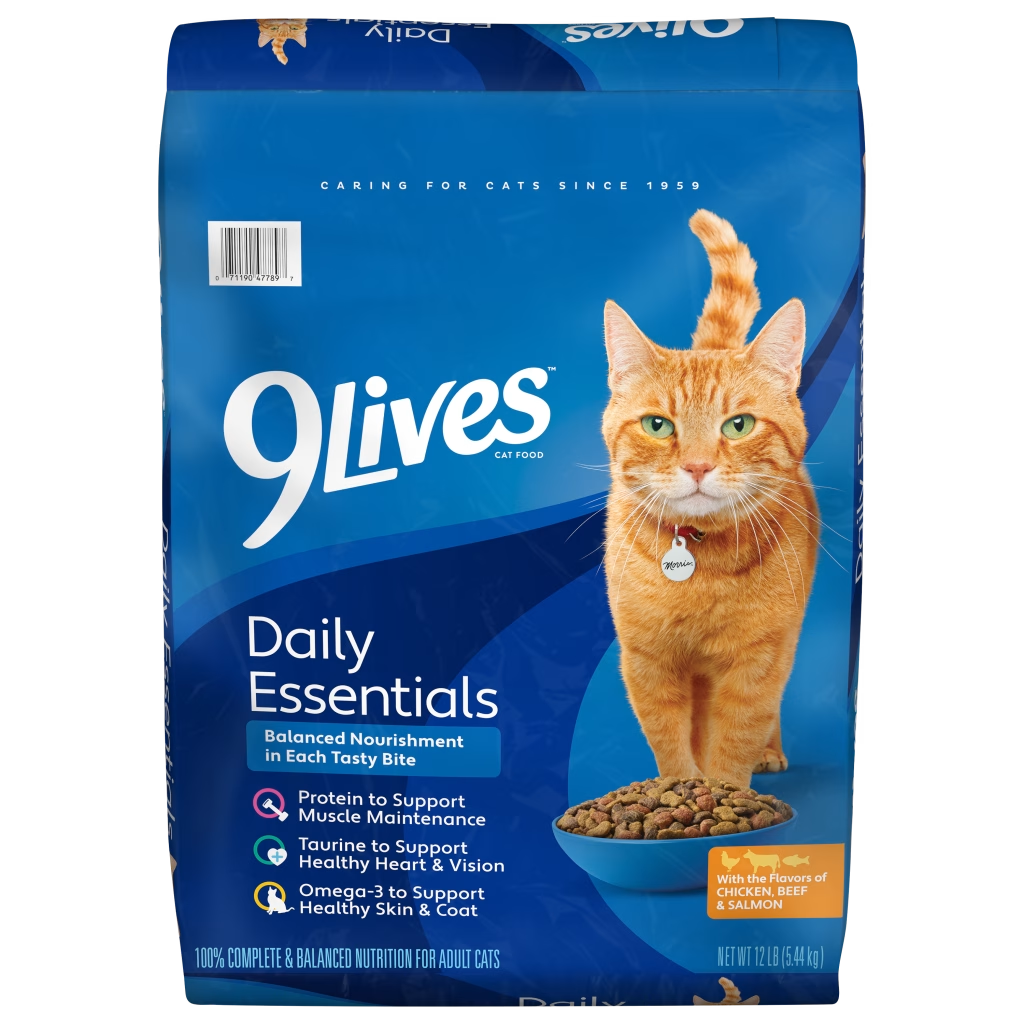
- 9Lives Daily Essentials Dry Cat Food – dependable, tasty and perfect for daily fuel.
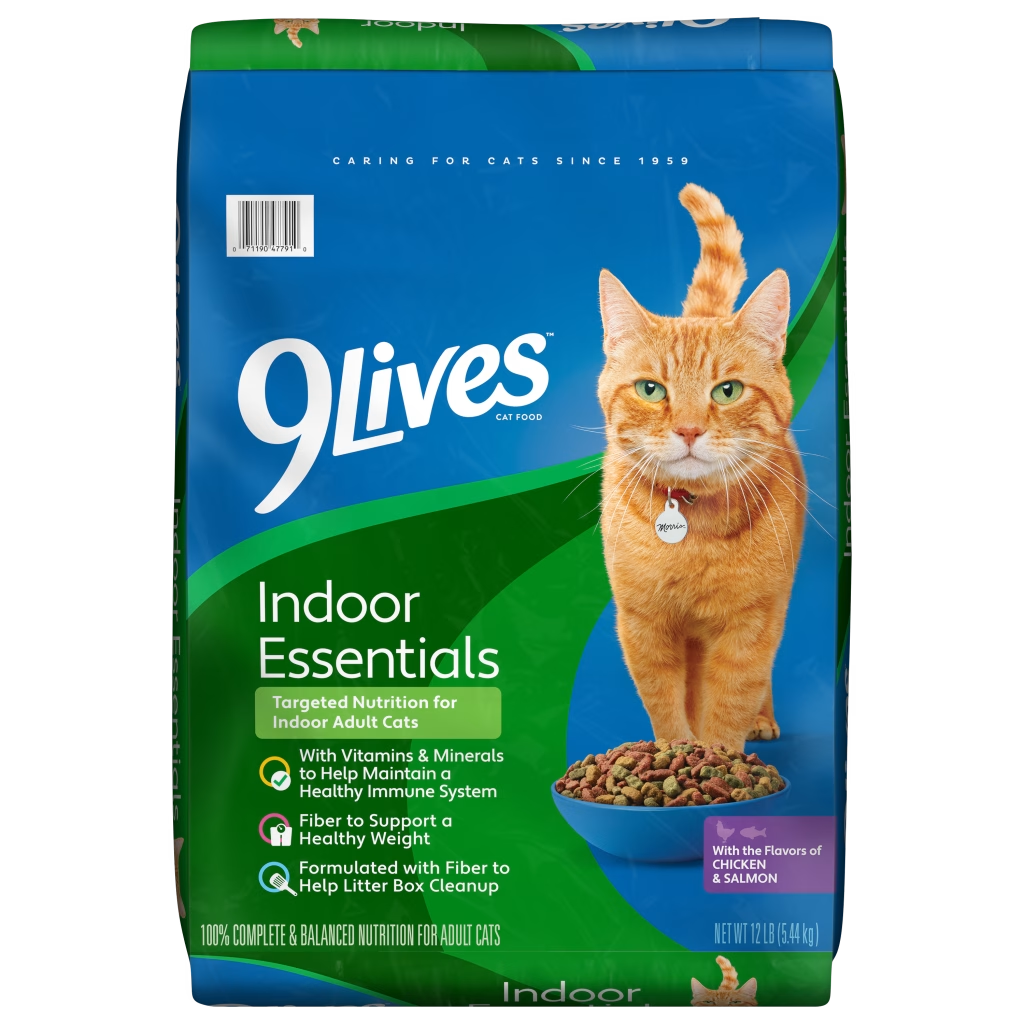
- 9Lives Indoor Essentials Dry Cat Food – ideal for indoor loungers who enjoy naps, sunbeams and strategic movement.
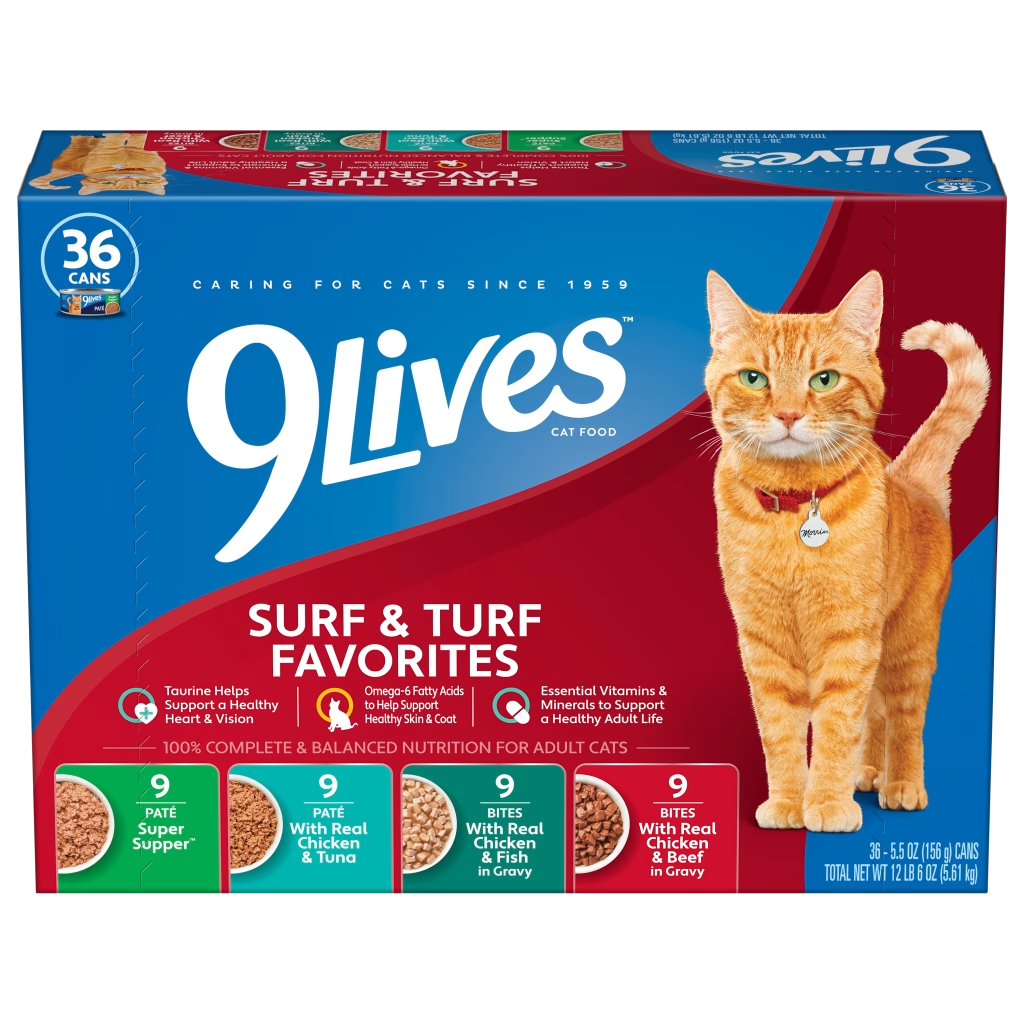
A well-fed cat is a calm cat. A calm cat is a happy cat. This is not complicated math. For extra mealtime excitement, mix in some wet food goodness from the 9Lives Surf & Turf Favorites Wet Cat Food Variety Pack. The sound of that can opening alone can summon joy at record speed.
Why Do Cats Sleep So Much?
Because we’re efficient. Cats sleep a lot because rest keeps us sharp, playful and emotionally balanced. A cat snoozing peacefully throughout the day (and night … and early morning) is often a sign of contentment.
If your cat sleeps:
- Out in the open
- Belly up
- Near their favorite humans
That’s trust. That’s comfort. That’s happy cat energy.
Litter Box Behavior: The Happiness Clue Humans Miss
Let’s talk litter box etiquette because it matters more than you think.
A cat who consistently uses the litter box and keeps things tidy is generally feeling secure. On the flip side, a cat urinating beside the litter box can signal stress, discomfort or an unhappy environment. This doesn’t mean your cat is mad at you (probably). It means something’s off—maybe the box is too dirty or in the wrong place.
Happy cats like:
- Clean litter boxes
- Quiet locations
- A predictable routine
Fix the setup, and you’ll often fix the behavior.
Feline Friends and Social Joy
Some cats are social butterflies. Others prefer a “just me and my food bowl” lifestyle. Both are valid.
If your cat enjoys grooming, playing or napping near feline friends, that’s a positive sign. Mutual respect and gentle interaction are key indicators of happiness. Forced friendships? Not so much.
One Last Thing, From Morris
Even happy cats can feel stress from time to time (trust me, I’ve lived many lives). If you want to avoid common pitfalls that can throw off your cat’s groove, I recommend reading this next: 7 Things That Can Stress Out Your Cat.
Now if you’ll excuse me, I’ve got a nap scheduled.